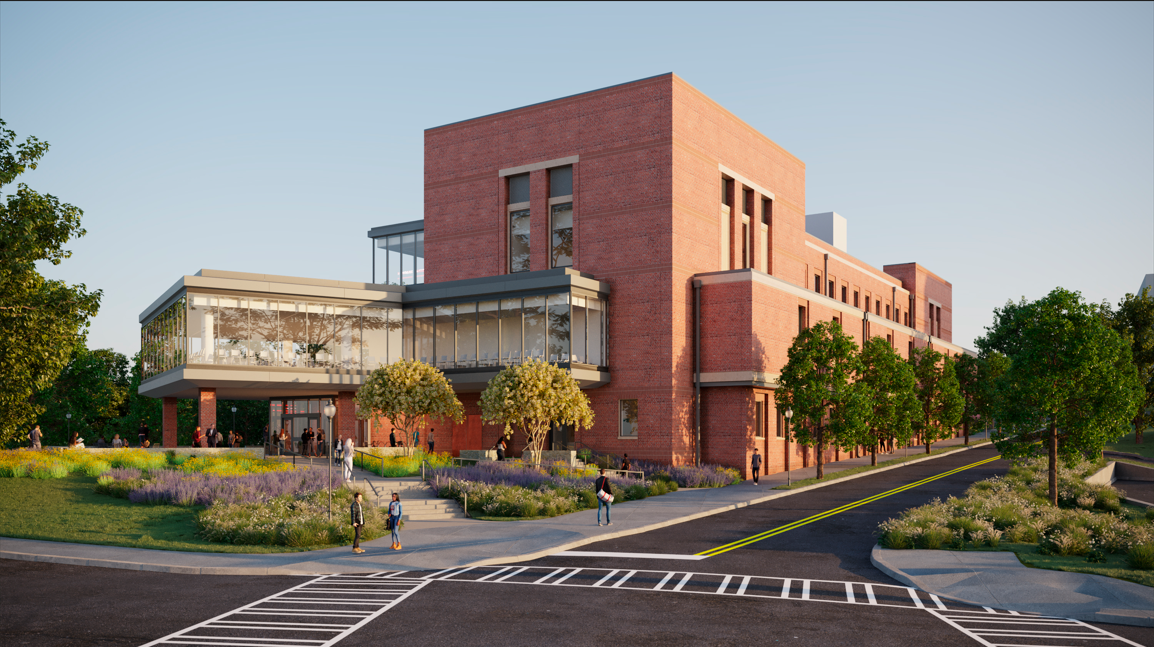
As universities evolve to meet the demands of modern education, their campuses must adapt and often within the constraints of buildings that have stood for generations. The renovation of Georgia Tech’s Couch Building exemplifies this challenge, and the opportunity it presents – preserving historic character while delivering future-ready functionality.
Originally built for entirely different uses, the Couch Building is now home to Georgia Tech’s cutting-edge music program. This is a transformation that required both creativity and technical precision. With outdated infrastructure, a complex structural footprint, and limited documentation from past renovations, this project demanded real-time problem-solving, frequent on-site collaboration, and a flexible design approach.
This renovation is a conversation between the past and the future—between what a space was and what it can become. For institutions seeking to revitalize legacy buildings, the lesson is clear: success lies in embracing the complexity, anticipating the unknown, and engaging partners who can guide the process with confidence.
At May Architecture, we’re proud to help bring historic spaces into a new era. Spaces that honor where they’ve been while boldly stepping into what’s next.
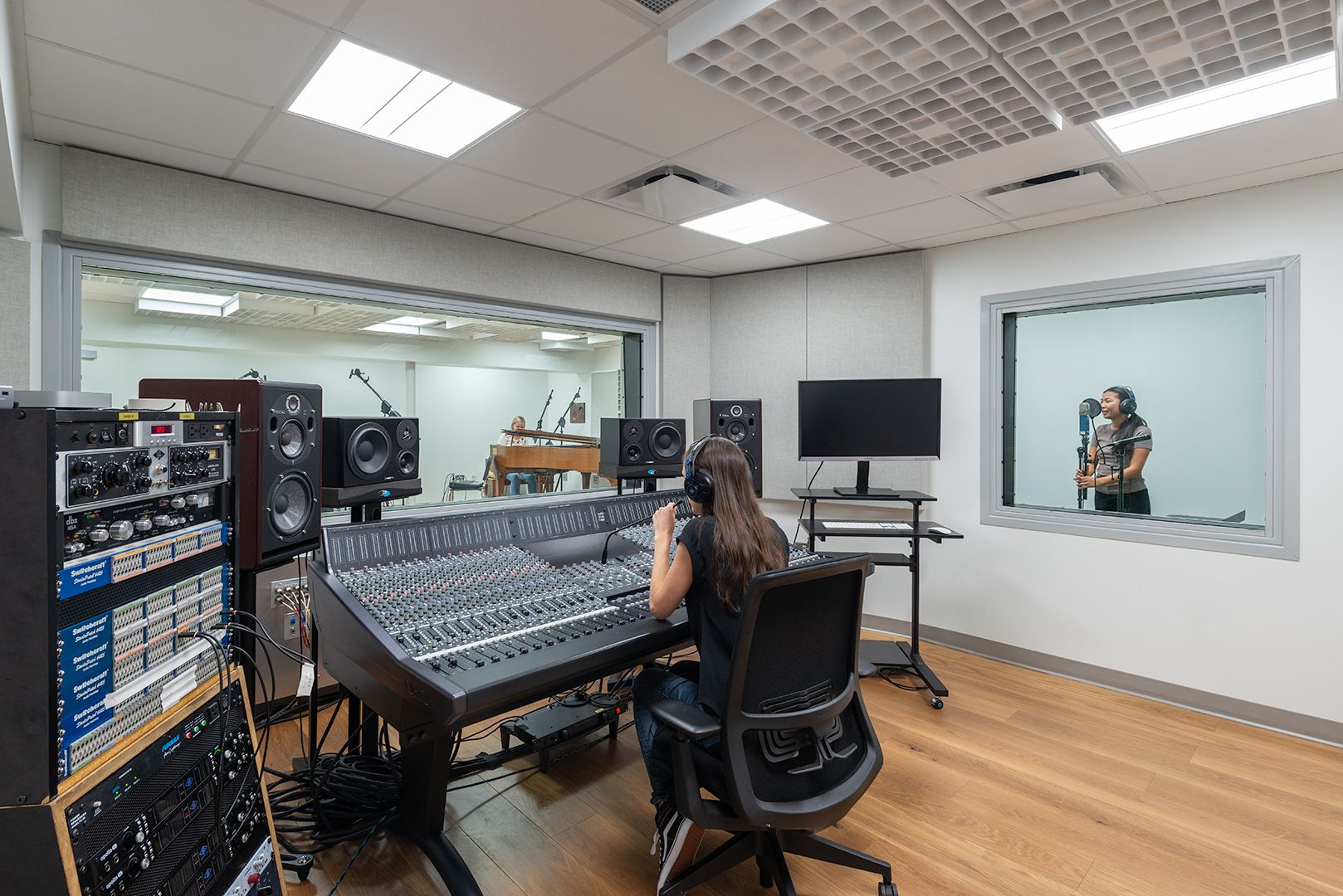
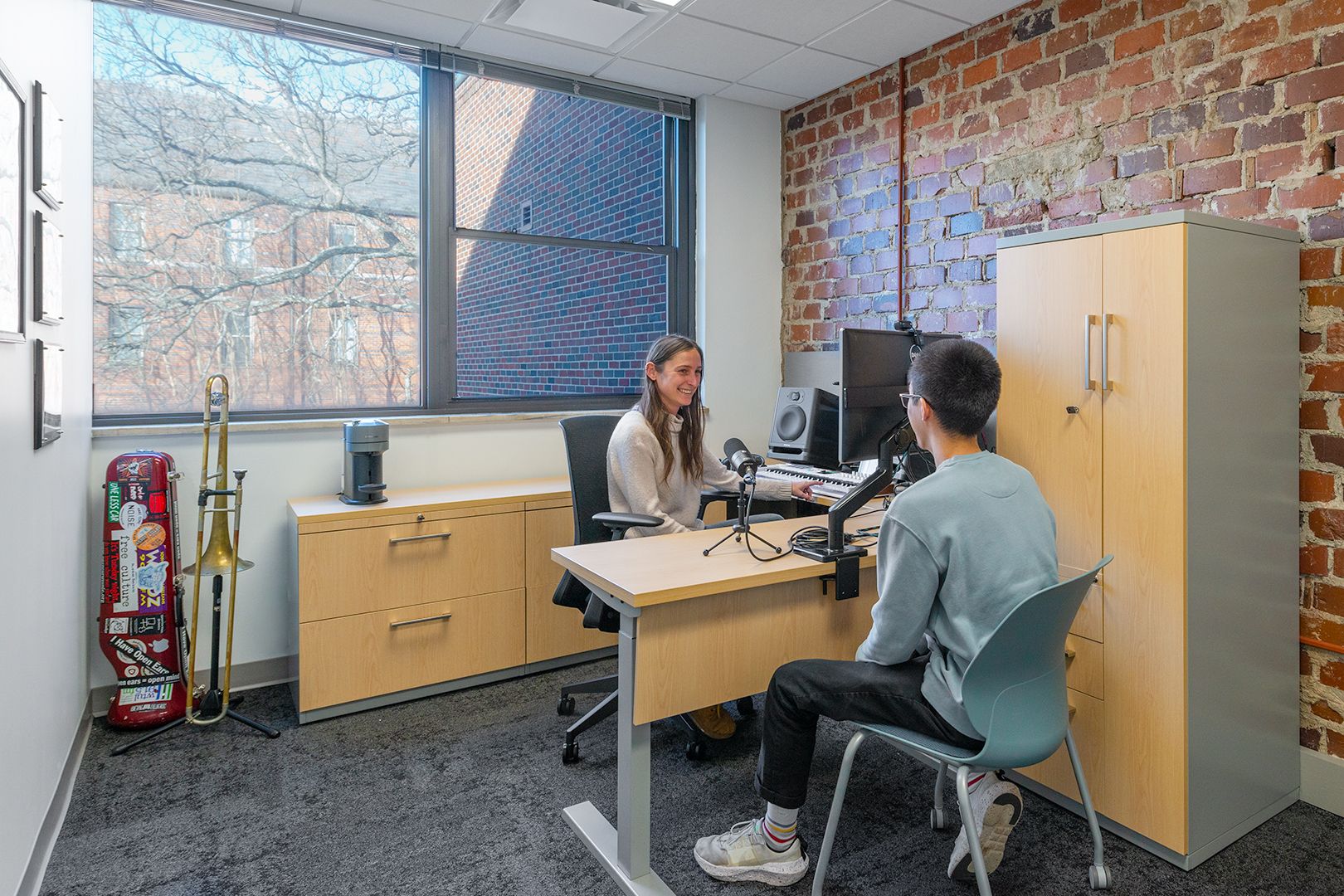
- Creative Space Planning: Existing constraints required rethinking layouts to accommodate acoustically sensitive spaces like rehearsal rooms, recording studios, and flexible learning environments—all within the bounds of a decades-old shell.
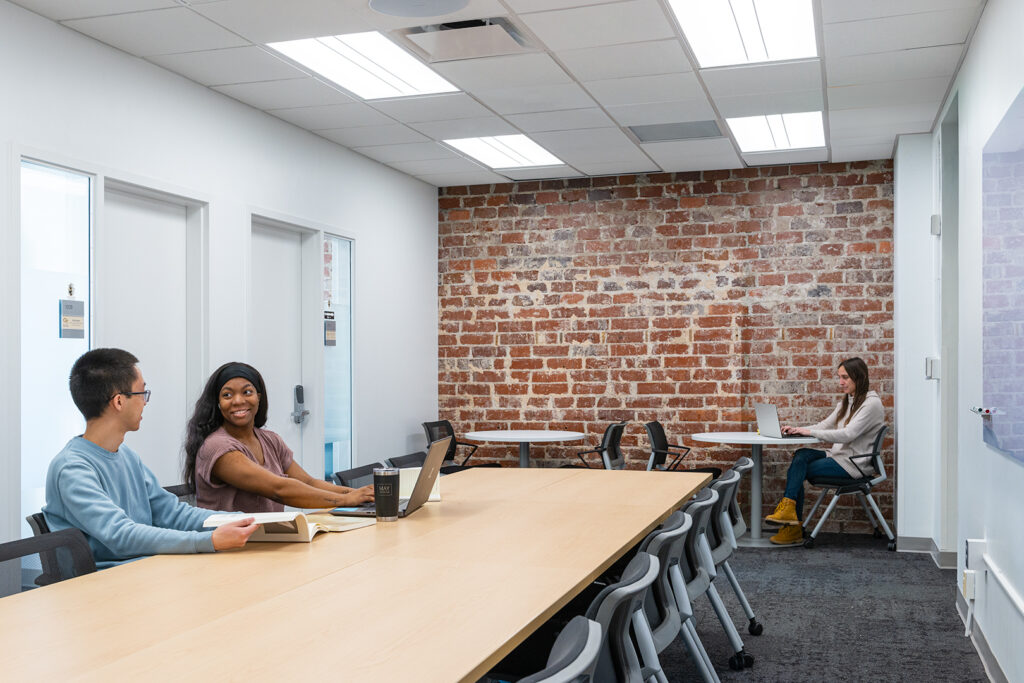
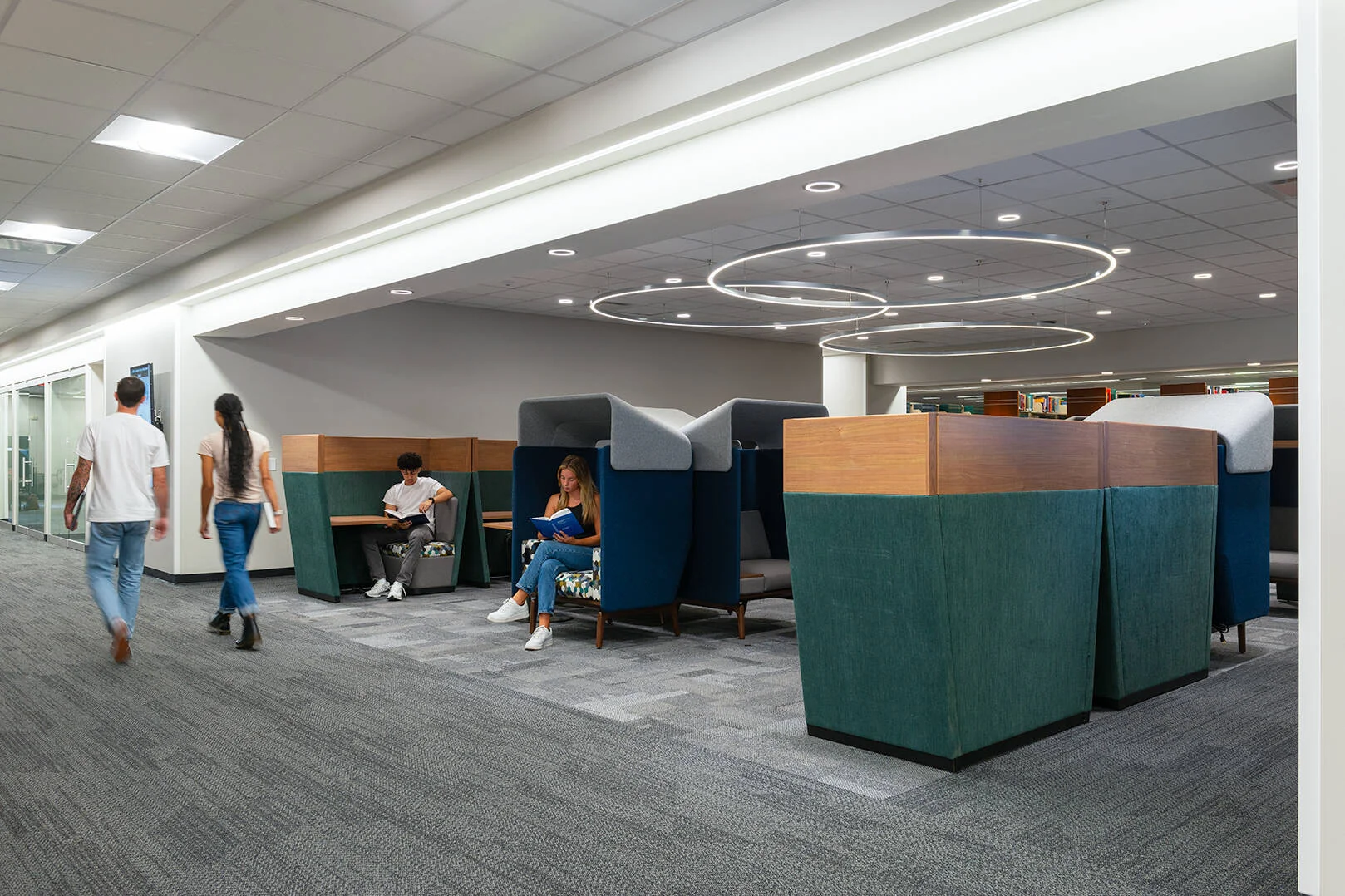
- Preserving Character, Upgrading Function: Architectural elements with historical value were retained and restored where possible, while modern systems and finishes were seamlessly integrated to support today’s programmatic needs.
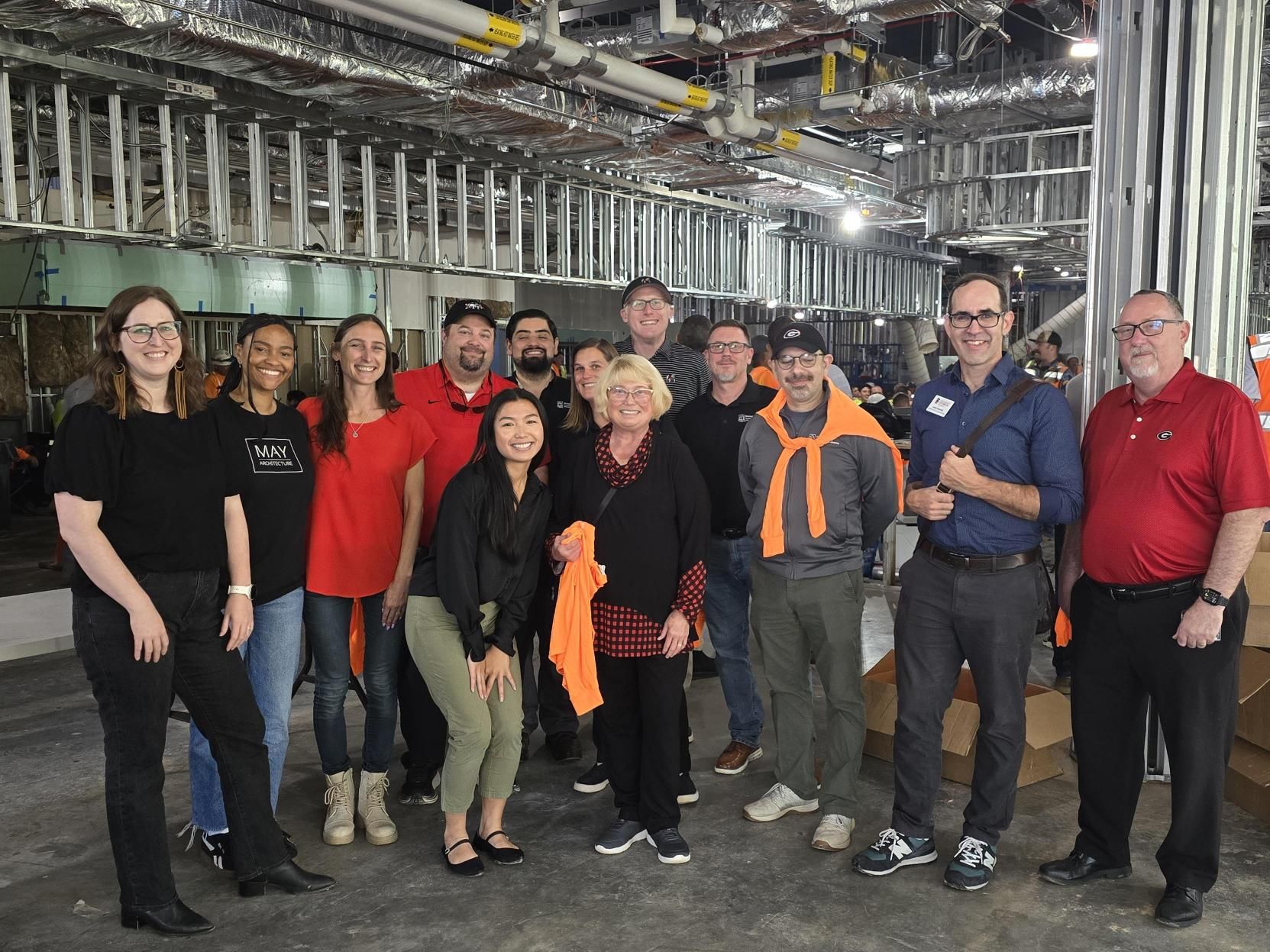
- Strategic Collaboration: Frequent site visits and close coordination with Winter Construction, Newcomb & Boyd, LLP, and Shear Structural allowed our team to respond quickly to unforeseen conditions, ensuring the project stayed on track without compromising design integrity.
This renovation is a conversation between the past and the future—between what a space was and what it can become. For institutions seeking to revitalize legacy buildings, the lesson is clear: success lies in embracing the complexity, anticipating the unknown, and engaging partners who can guide the process with confidence.