On most campuses, overall student well-being is addressed fragmentally. Counseling services in one building. Dining in another. Learning spaces spread across academic corridors. Each serves a crucial role, but rarely do they operate in concert either locality or philosophically.
At the University of Georgia, that division is being redefined. The new West Campus Dining, Learning, and Well-Being Center is challenging the long-standing model of functional silos by bringing three essential services together under one roof, with one unified intent: to support the whole student.
This isn’t co-location. It’s convergence.
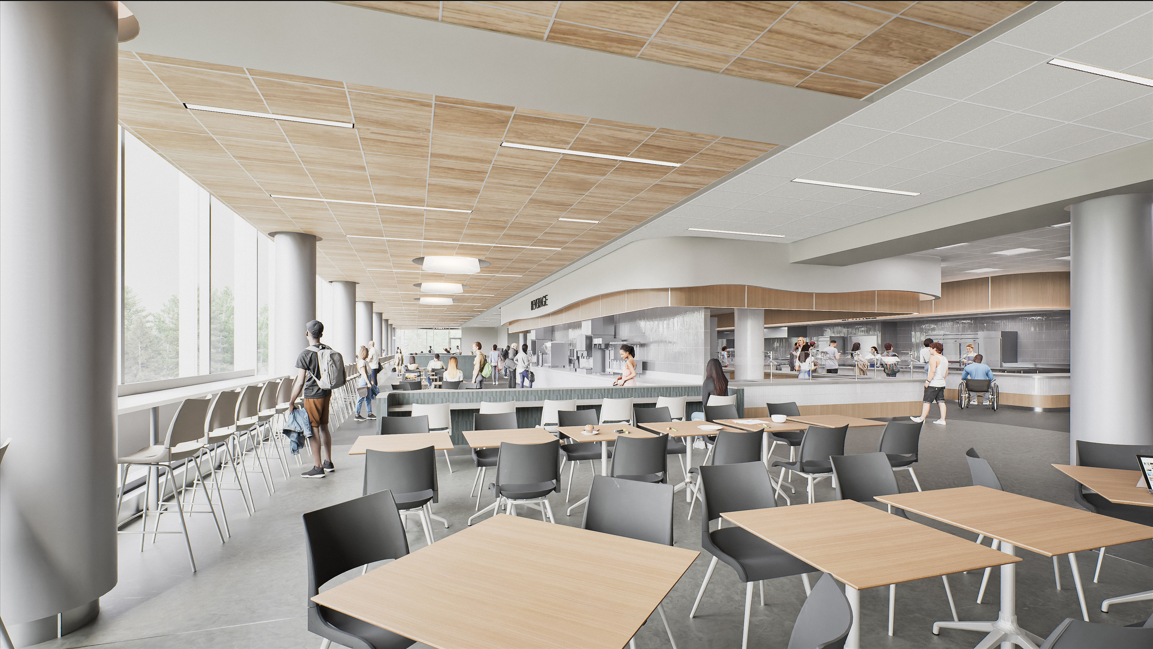
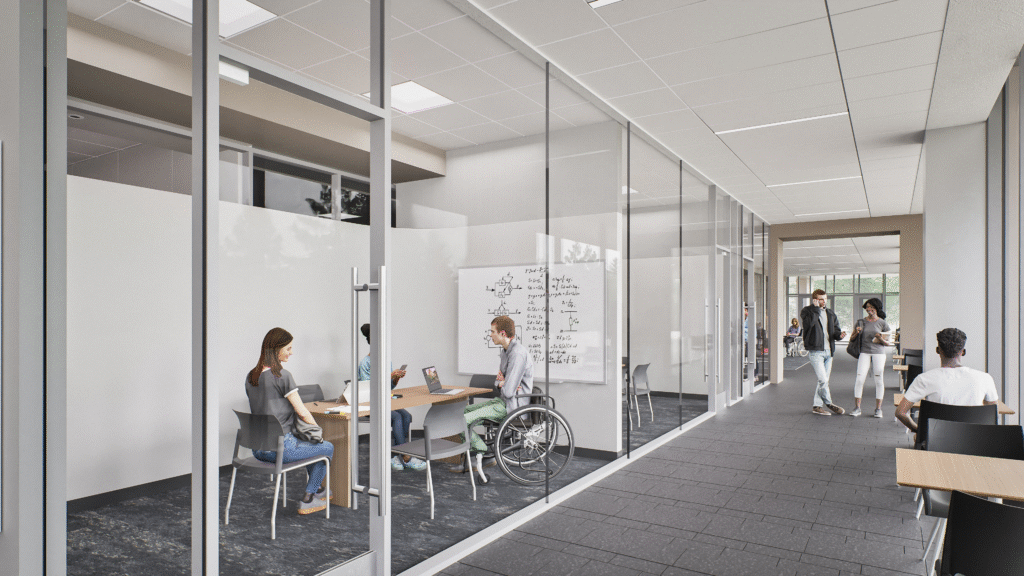
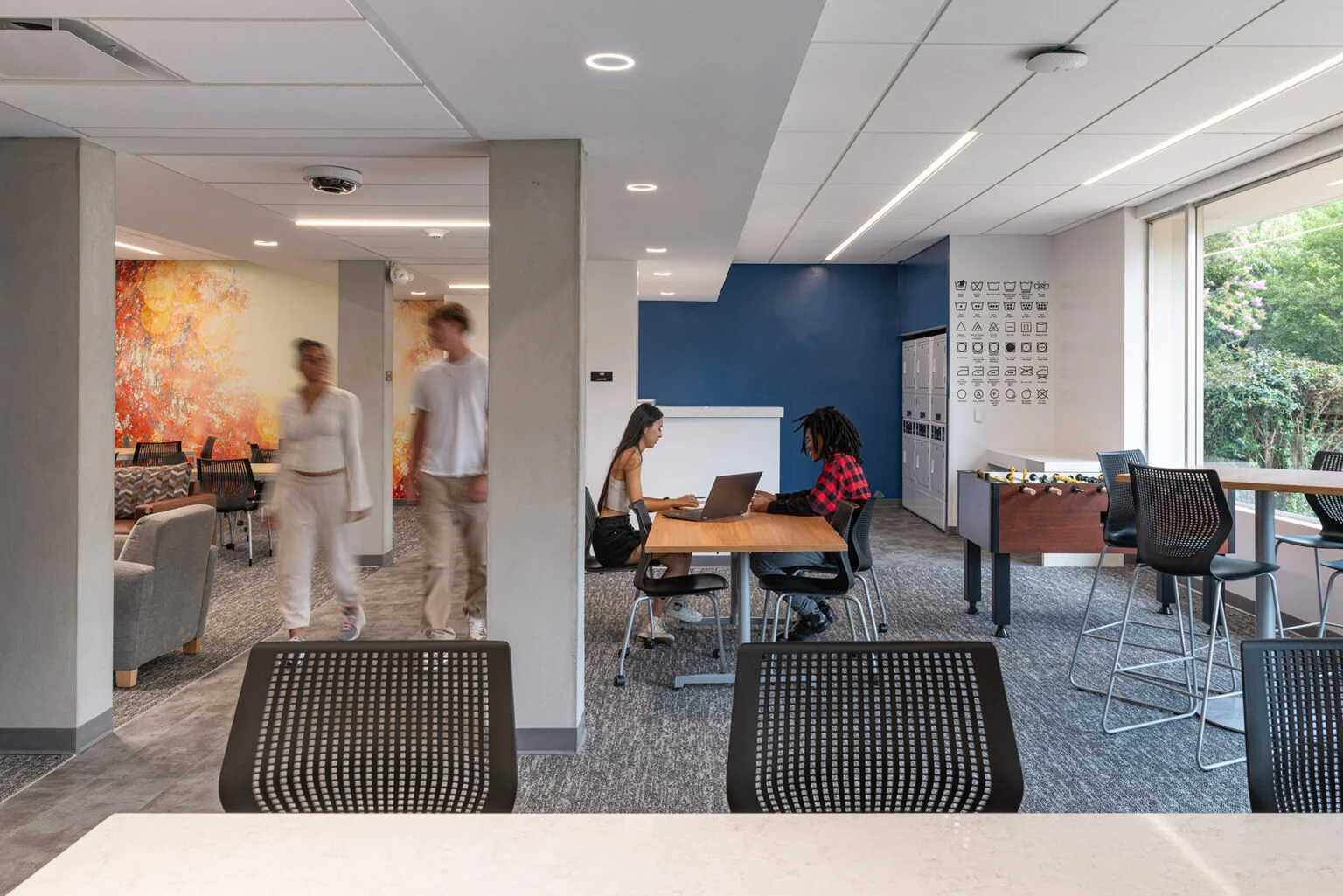
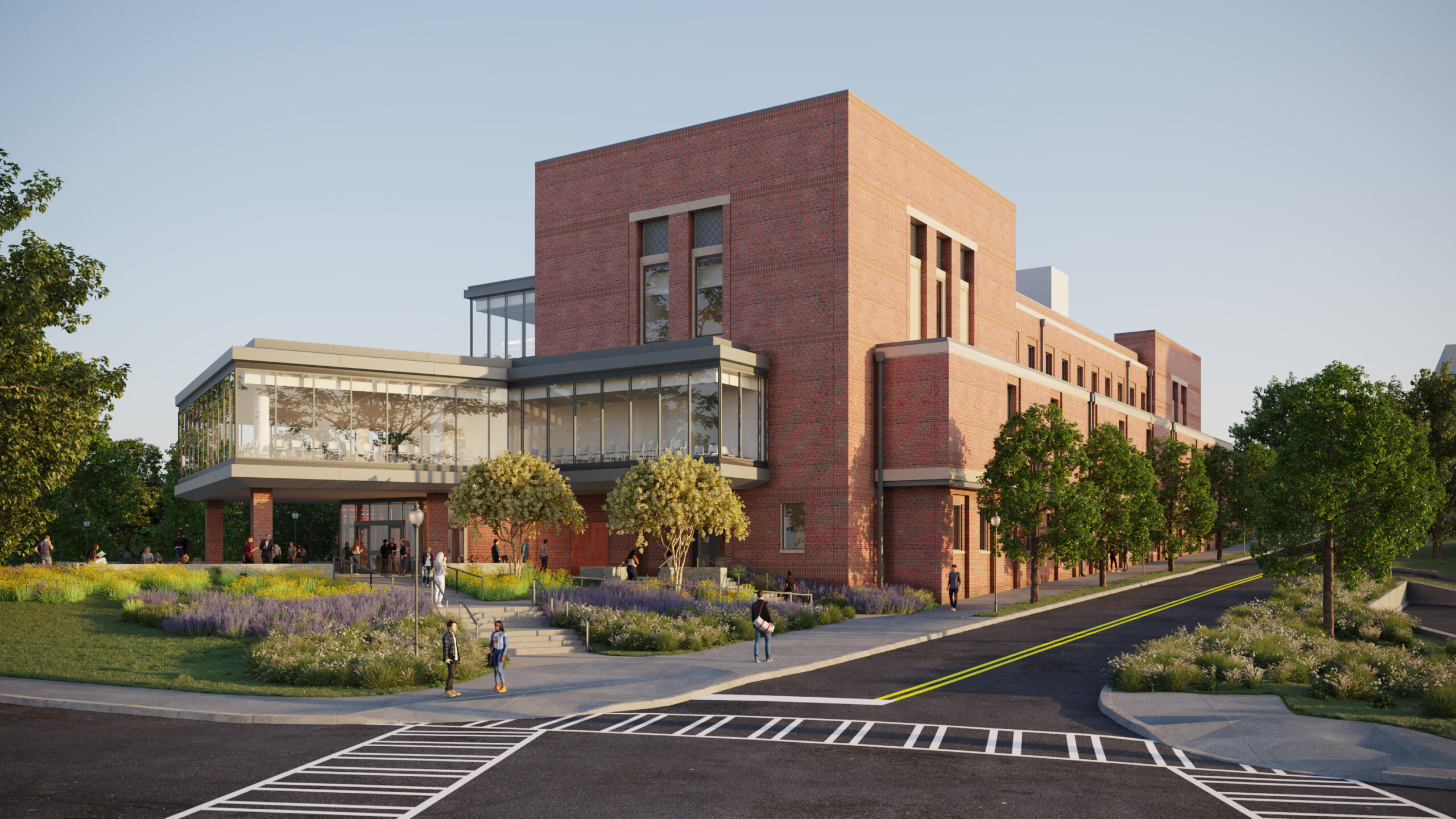
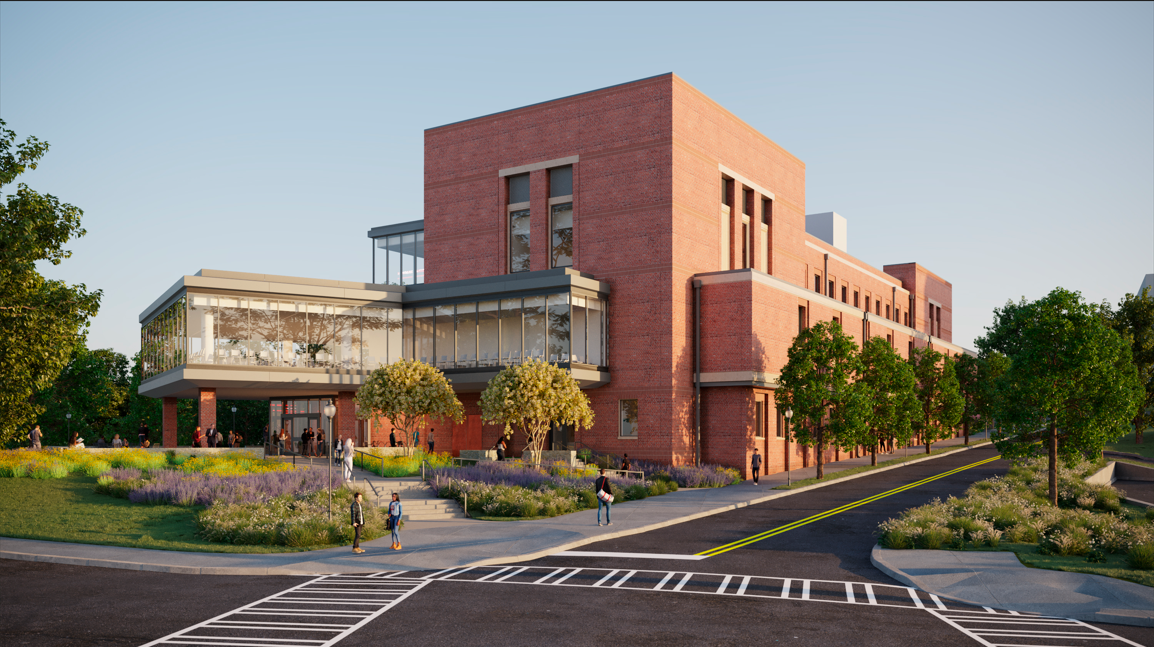
Brought to life through a collaboration between May Architecture and Robert A.M. Stern Architects | RAMSA, the building integrates active learning classrooms, a two-story dining facility, urgent care and counseling services, nutrition education, including a demonstration kitchen, and student gathering spaces. Each program element is distinct, yet intentionally interwoven. It is designed not just for adjacency, but for alignment.
The result is a space that reimagines how students engage with the resources that shape their well-being. Access to care is no longer a separate journey. Support is embedded into the rhythm of daily life – visible, approachable, and fully integrated into the student experience. Centrally nestled between almost 6,000 student beds, this facility brings well-being amenities directly to the students.
UGA did more than simply rethink the use of space. They took the opportunity to recenter around what matters – the students.
By placing these services side-by-side, the university is sending a clear message: well-being is not a luxury or a footnote. It’s central to academic and personal success. This bold programming strategy reflects a deeper shift in institutional priorities, and the May Architecture + Robert A.M. Stern | RAMSA team’s work in leading the programming effort ensured that every square foot served that mission.
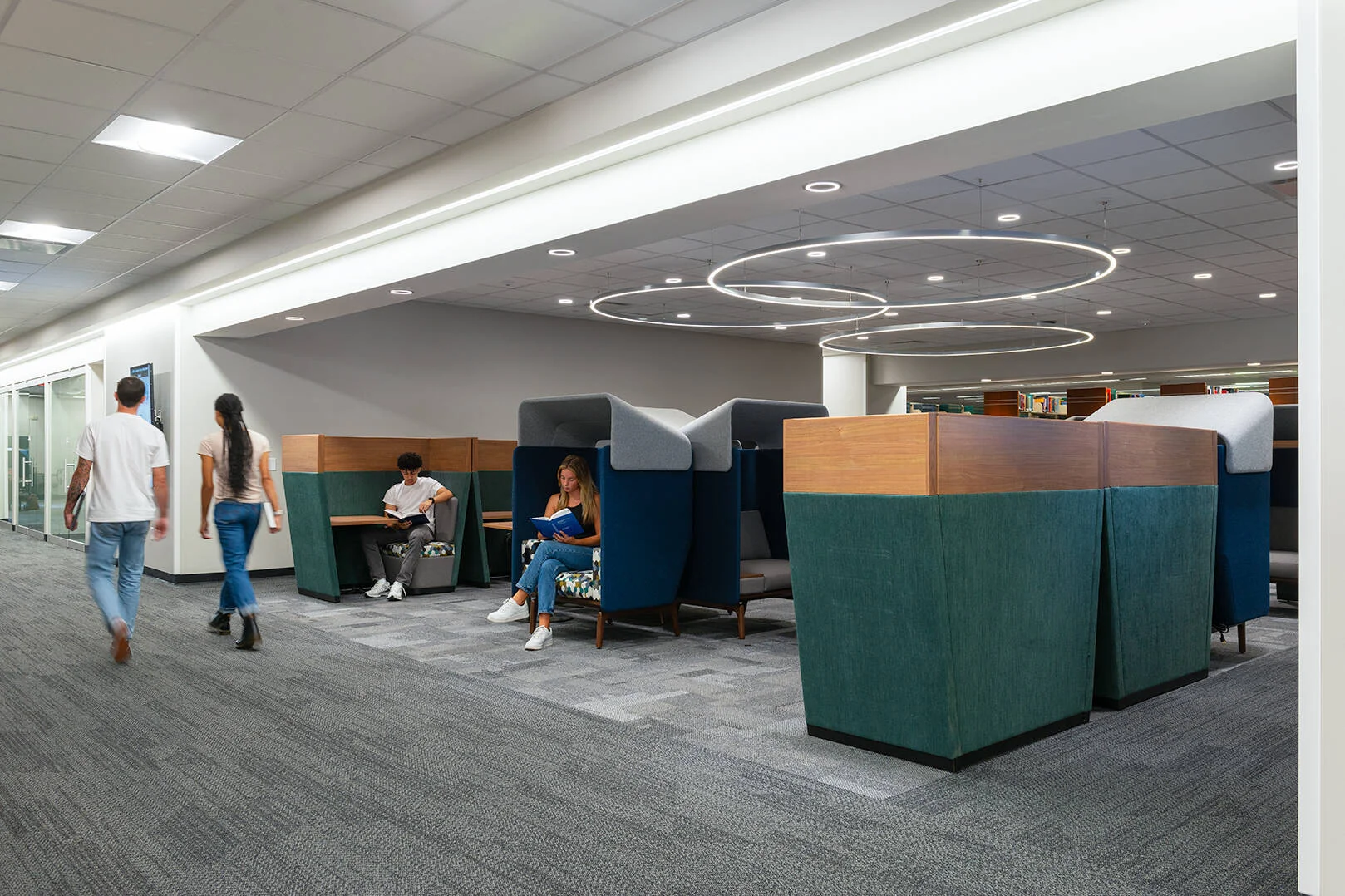
The design also reflects a more nuanced understanding of connection. True belonging emerges not from adjacency, but from design that anticipates and supports connection. From flexible seating that accommodates neurodiverse students to private zones that offer dignity in dining or care, to servery layouts that encourage healthier food selections, every environment was shaped with empathy and intention. Learning happens more effectively when students are well-fed, well-supported, and emotionally grounded. This facility does more than acknowledge that. It builds for it.
In many ways, this project breaks from decades of tradition in campus planning. And that’s precisely what makes it matter.
As colleges and universities across the country look to evolve their approach to student life, UGA’s West Campus Center offers a national model that’s bold, human-centered, and built for the future. It proves that when institutions stop designing around departments and start designing around people, something remarkable happens:
Well-being stops being an initiative. It becomes architecture.