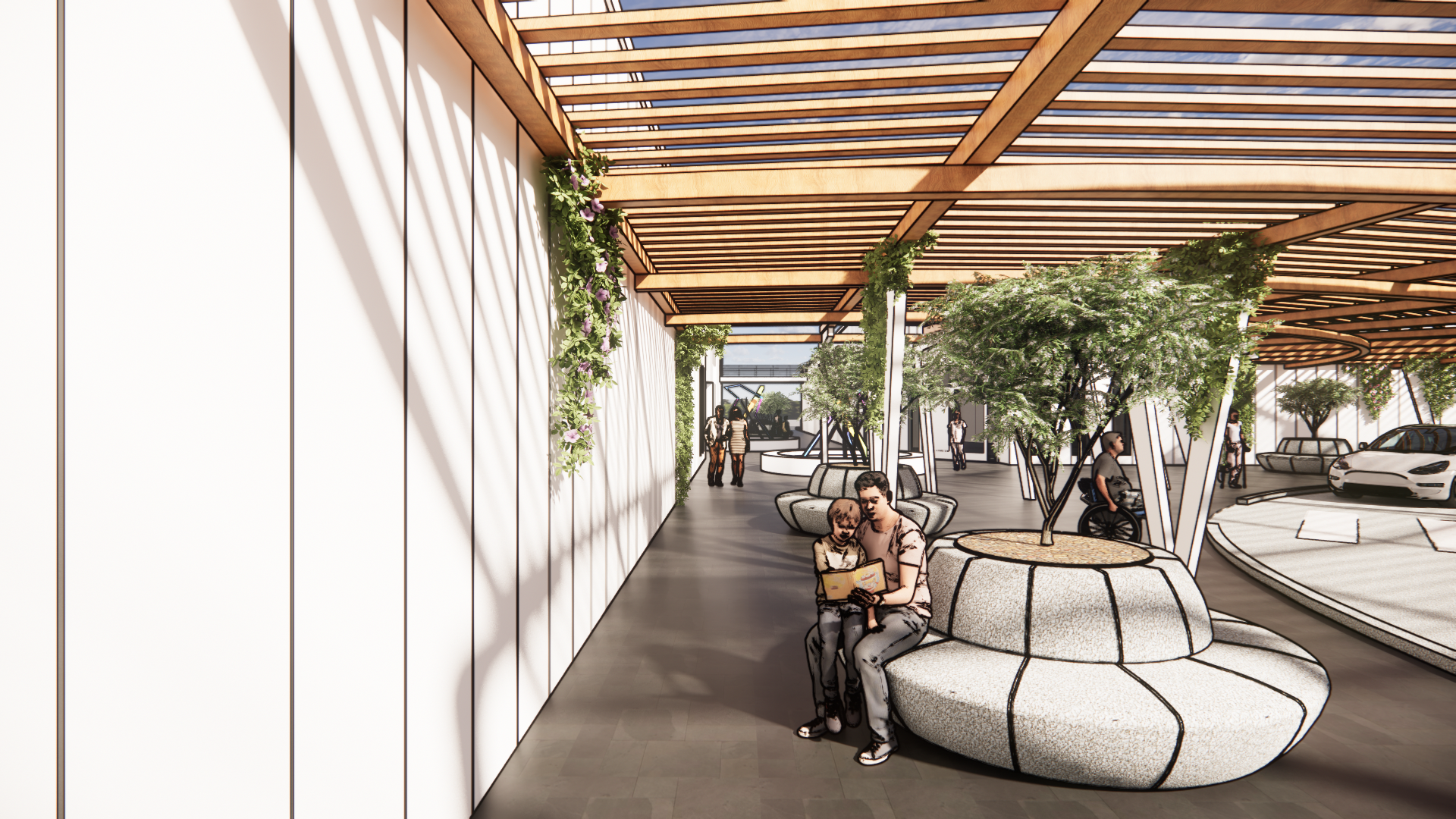
A New Material Era
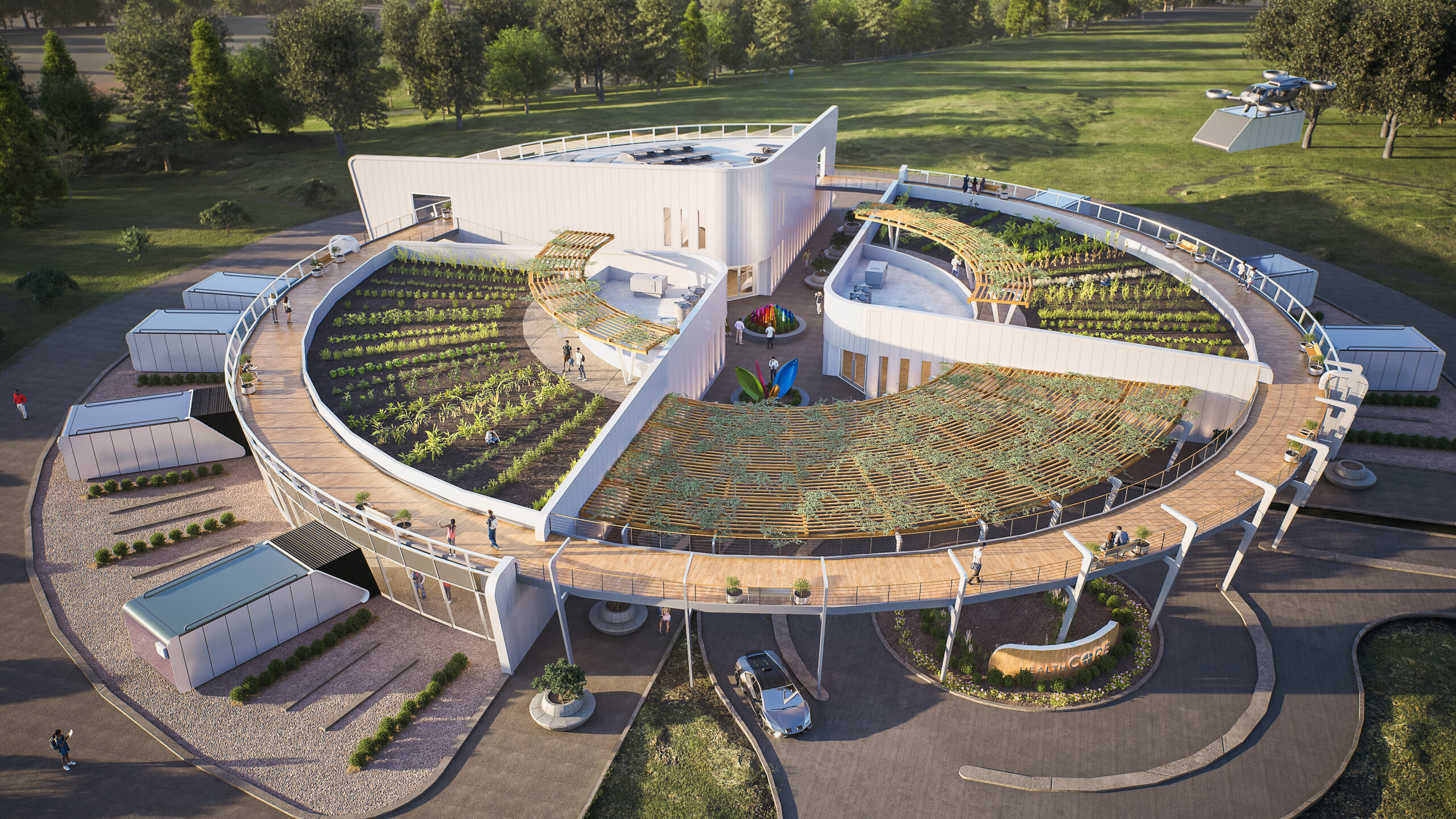
Tomorrow’s material palette will expand far beyond today’s norms. Smart surfaces, responsive systems, and innovations in fabrication, prefabrication, and site fabrication are redefining what structures can achieve. These advancements will influence not only performance but also how environments feel, function, and interact with those who use them.
Technology as a Partner in Design
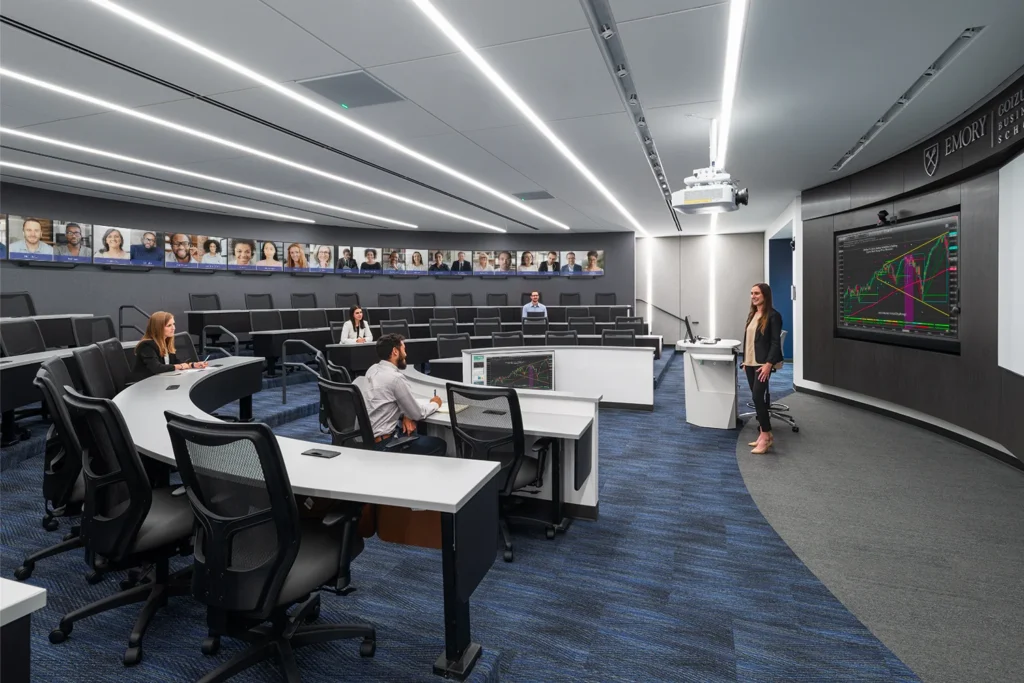
Digital tools and artificial intelligence are transforming how architects think and work. They allow us to test scenarios at unprecedented speed and scale, visualize complexity with clarity, and optimize performance long before construction begins. Technology is not replacing creativity. It is amplifying it, enabling design solutions that push beyond previous limits.
Environments That Shape Experience
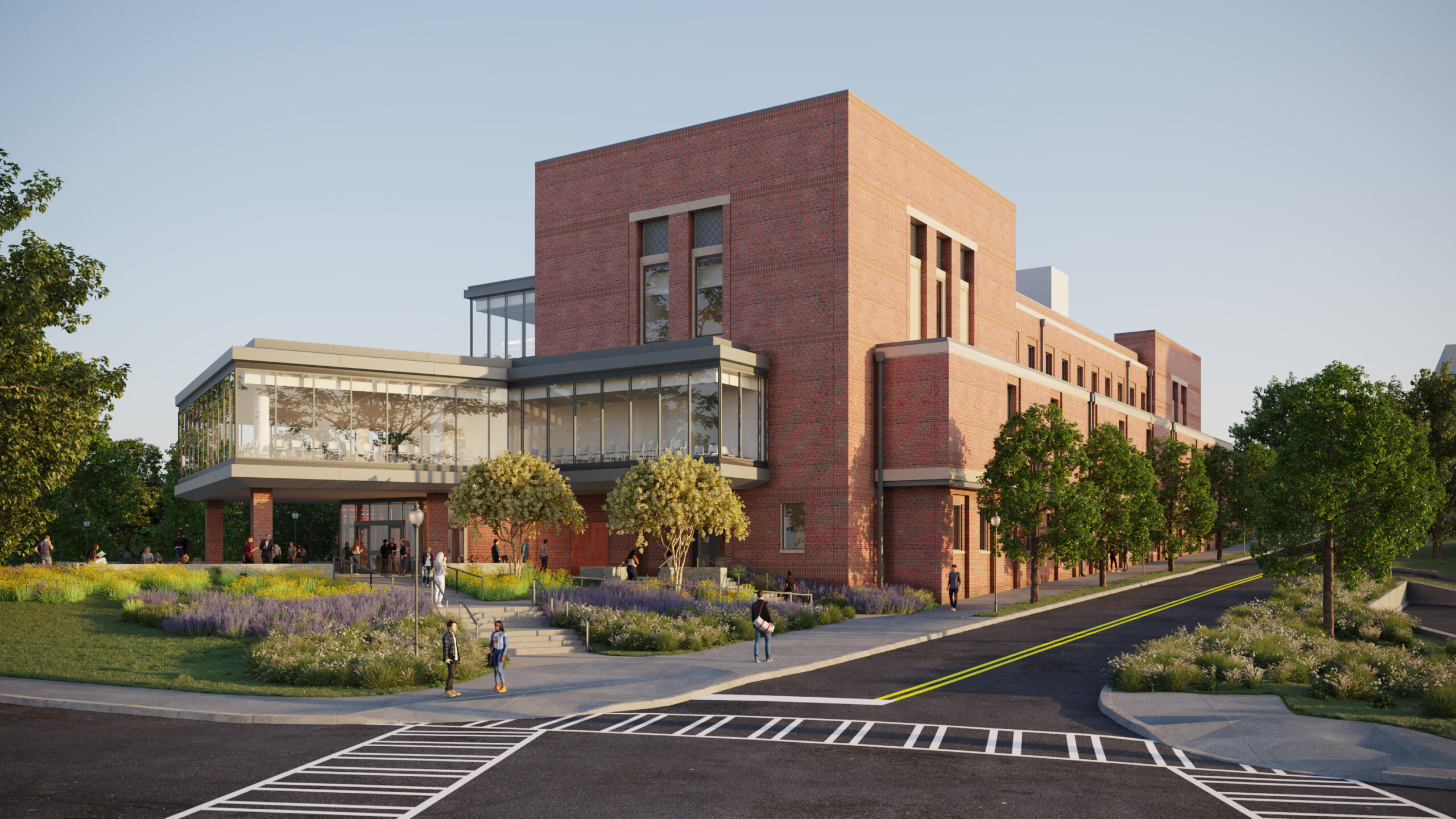
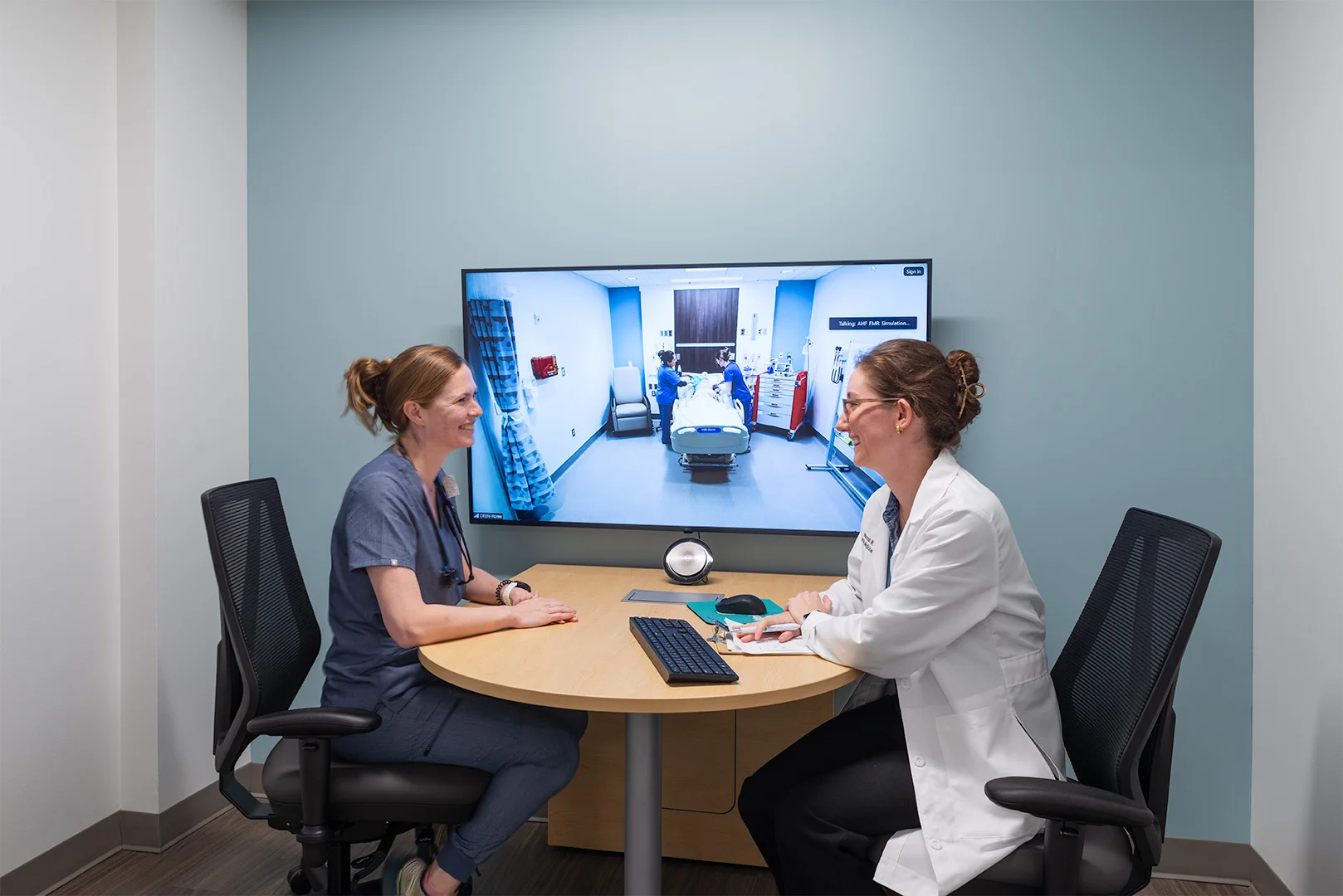
Ultimately, architecture is judged by its impact on people. The spaces of tomorrow will need to do more than serve a function; they must foster connection, support well-being, and elevate the experience of daily life. Whether on a campus, in a hospital, or within a community setting, the true success of design will be measured by how deeply it enhances human experience.
From Tradition to Transformation
Too often, architecture leans on tradition as proof of validity. But tradition does not guarantee success or improvement. Progress happens when we test assumptions, push the boundaries of form and function, and explore the “what ifs.”
This doesn’t mean discarding what came before; it means building it with new eyes. The innovations of the future – whether in healthcare, higher education, or beyond – will come from blending experience with imagination, pragmatism with daring, and the discipline of practice with the audacity of possibility.
A Shared Responsibility
The future of architecture is not an abstract idea. It is being shaped in every design decision made today. Architects hold both privilege and responsibility: the privilege of imagining what does not yet exist, and the responsibility of ensuring what is built continues to serve long into the future.
Because the future of architecture will not simply arrive. It will be created by those willing to look beyond convention and design for what comes next.