Emergency departments across the country are overwhelmed with patients in need of behavioral health services, yet infrastructure is falling short. At Emory Decatur Hospital alone, around two hundred patients enter the emergency department daily. Between five and ten of those patients require inpatient behavioral health care, yet only eighteen beds are available. Multiply that story across Georgia, and across the nation, and the scale of the challenge becomes undeniable.
Behavioral health services are forecasted to grow more than any other area of healthcare in the next decade. Healthcare systems must respond decisively, yet traditional facility models and outdated footprints leave providers constrained.
The time for incremental adjustments has passed. What is required is a bold, sustainable reimagining of how we plan, design, and deliver behavioral health environments.
The Challenge of Fragmentation
For Emory Healthcare, the challenge was not only capacity but fragmentation. Beds were split across multiple facilities – Emory Decatur Hospital and Wesley Woods, a standalone site without an emergency department. As a result, patients entered one system but were funneled into another, creating inefficiencies, underutilization, and gaps in care.
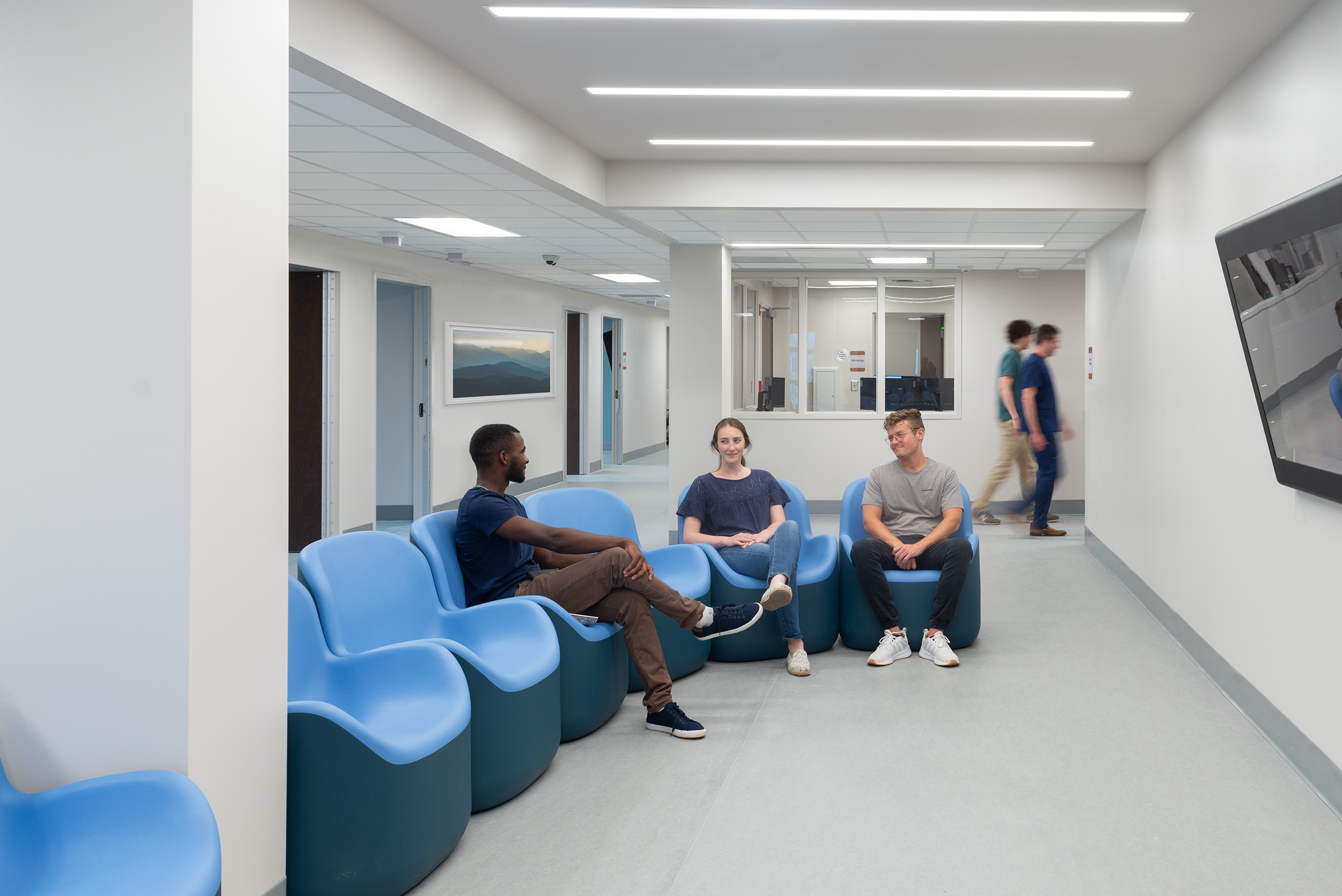
Behavioral health patients need more than a bed. They need an integrated environment that prioritizes safety, dignity, and continuity of care. They need facilities designed with their specific journeys in mind, not retrofitted afterthoughts.
KEY FEATURES
Reimagining the Response
At May Architecture, we see every constraint as a catalyst for design innovation. Working with Emory Healthcare and project partners, our team embraced a repurpose-and-transform approach: consolidating behavioral health services into one location and leveraging existing, underutilized space as the foundation for a next-generation program.
This approach was not about quick fixes. It was about sustainability through creation of a model that addresses today’s urgent demand while positioning the system for future growth.
The transformation of Emory Decatur Hospital’s behavioral health unit illustrates what is possible:
- Conversion of outdated space into a comprehensive program. Vacant floors were reimagined to accommodate expanded services, ensuring that no square foot of space went underutilized.
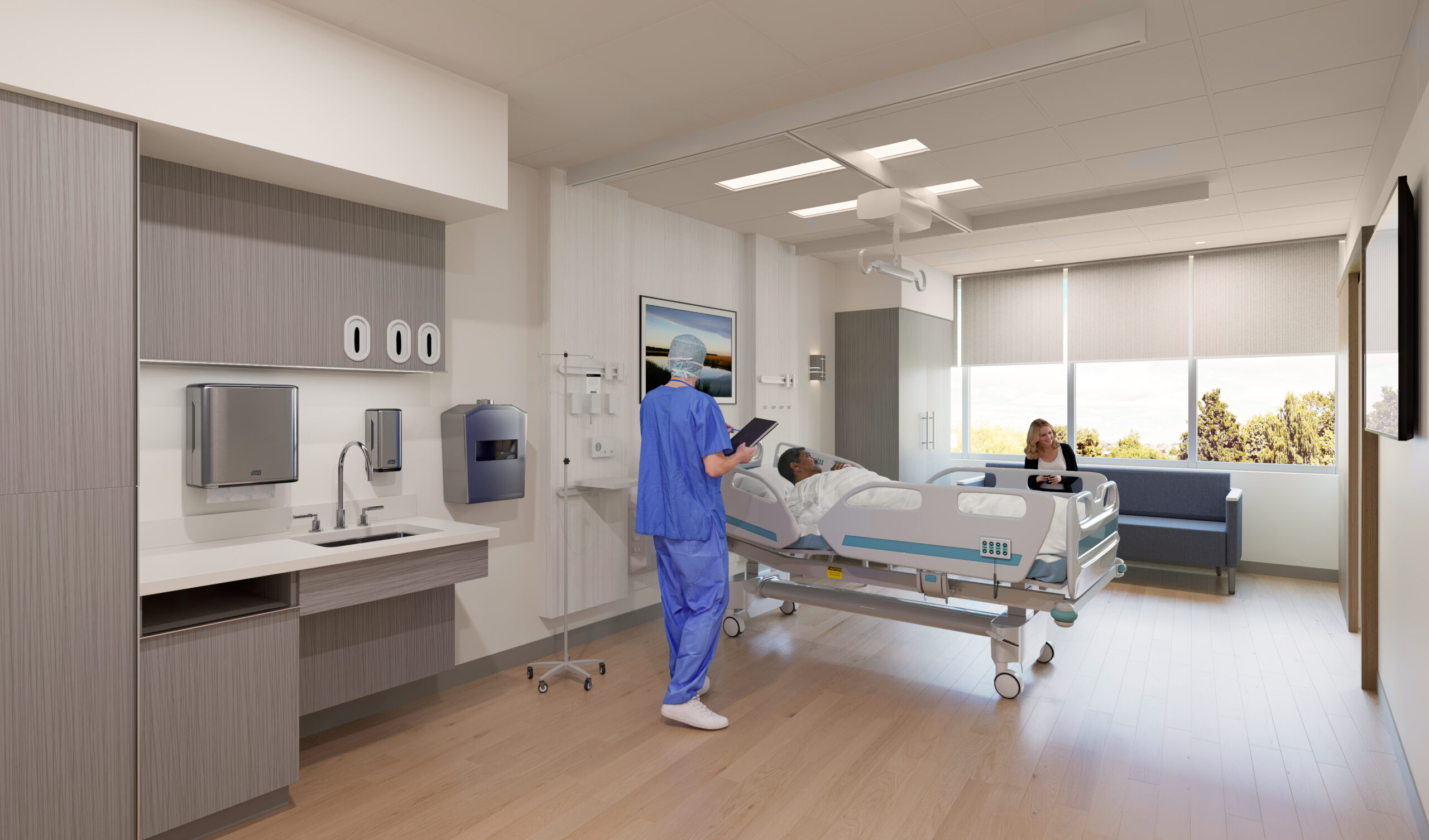
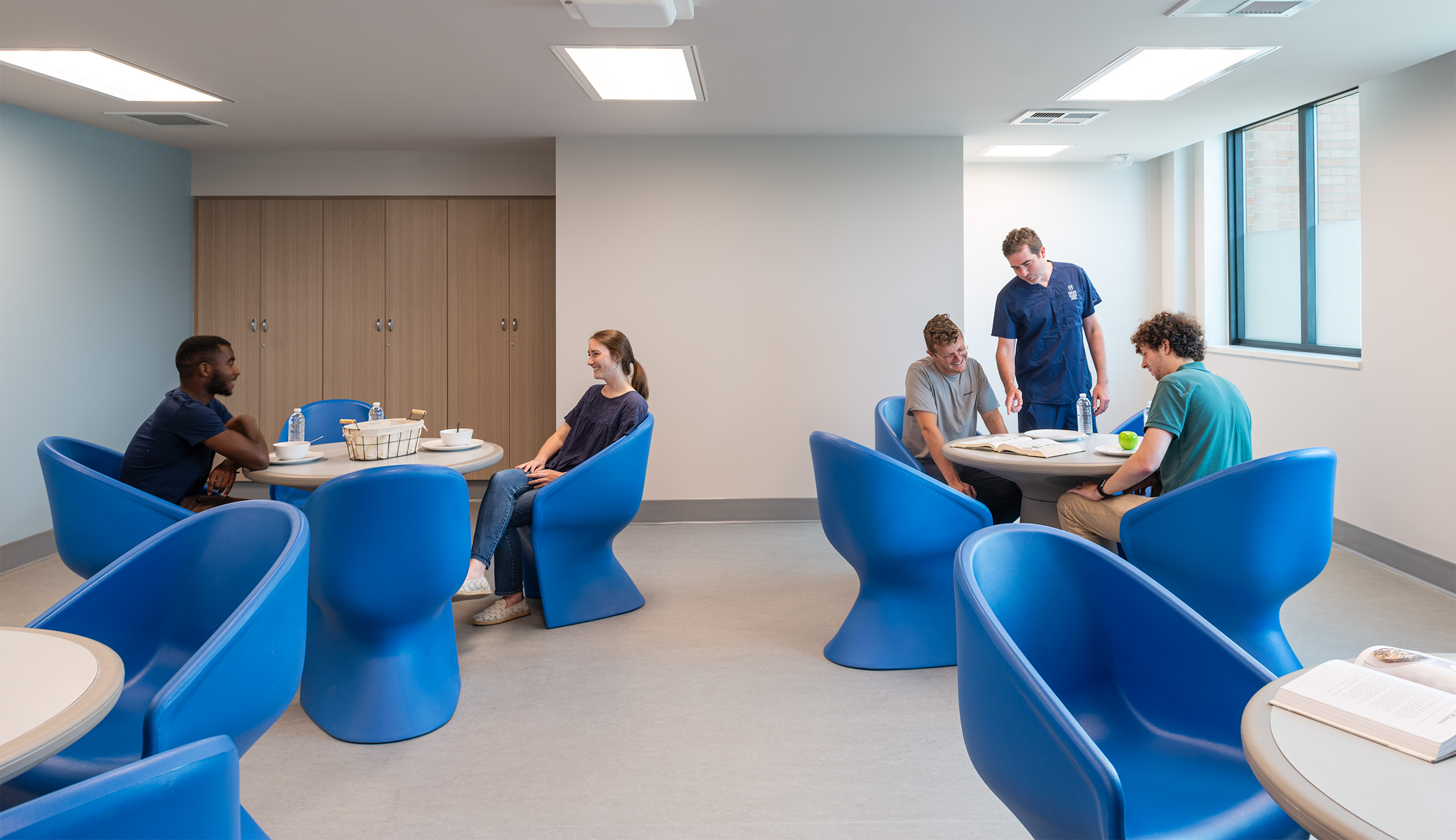
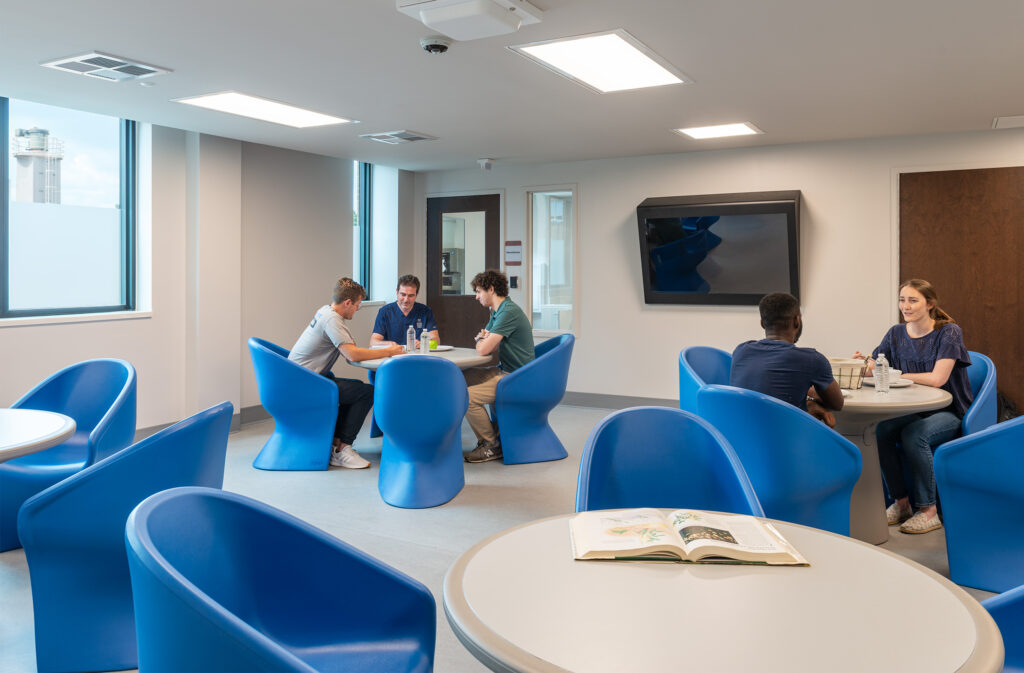
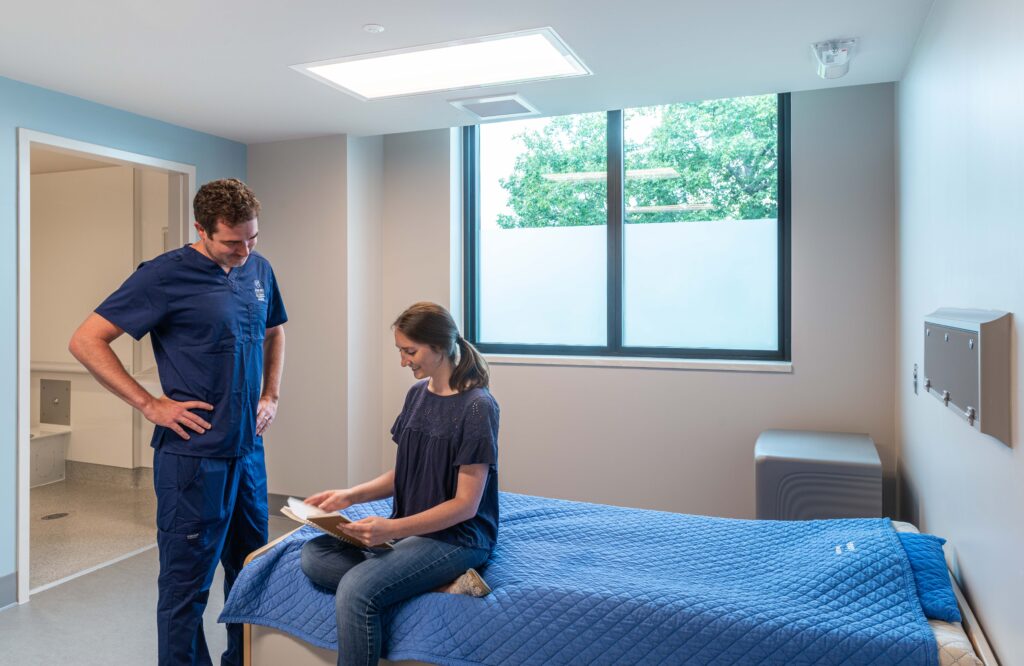
- Design that supports both safety and dignity. Patient rooms, group therapy areas, and dining spaces were overhauled to create environments that reduce risk while promoting healing and community.
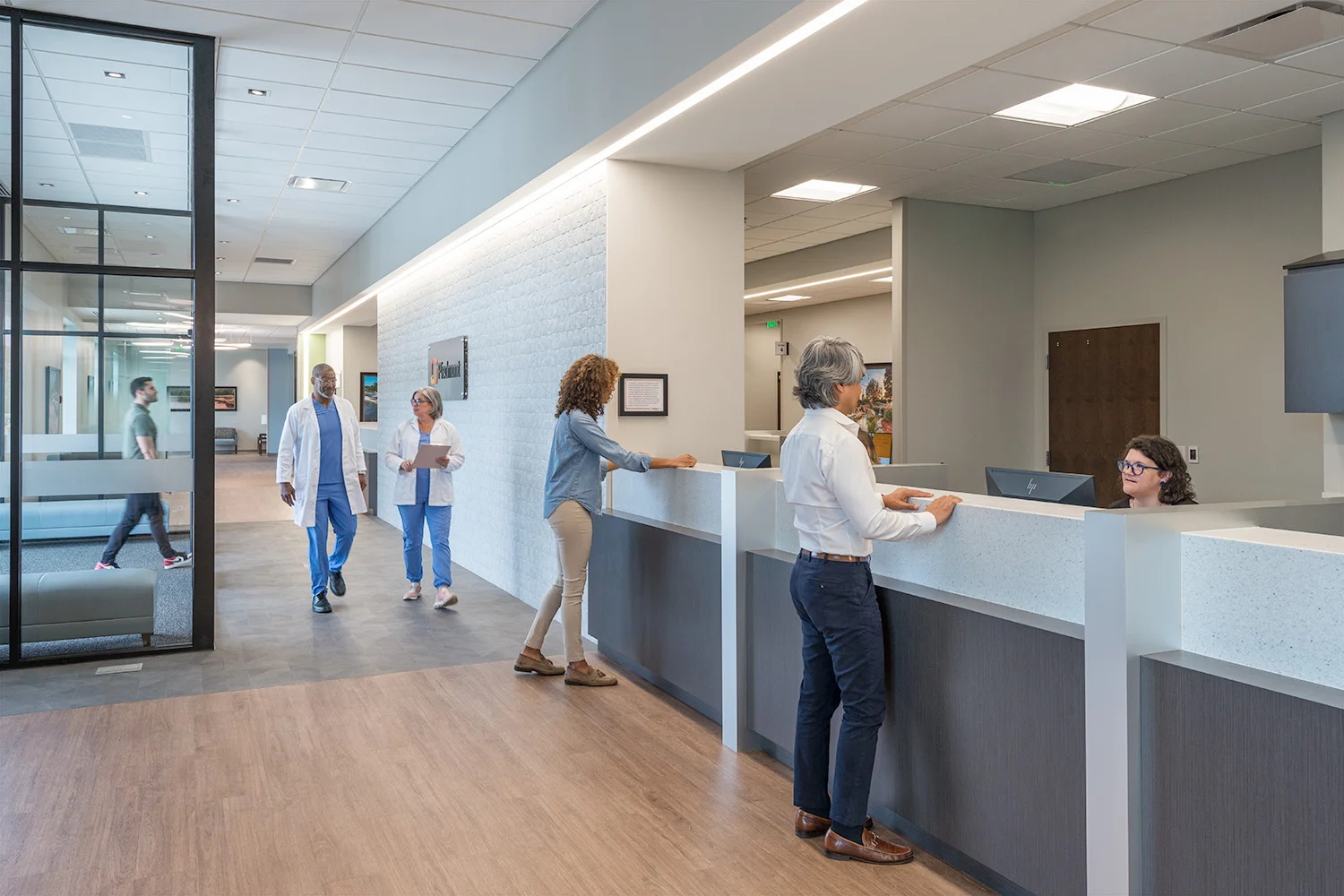
- Integration of outpatient services. By introducing outpatient programming within the same campus, the facility extends care beyond crisis stabilization to long-term behavioral health support.
The result offers an increase in capacity, and a shift toward a more compassionate and effective model of care delivery.
Building Amid Complexity
Reimagining behavioral health spaces requires addressing some of the most complex challenges in healthcare design and construction. The Emory Decatur project confronted:
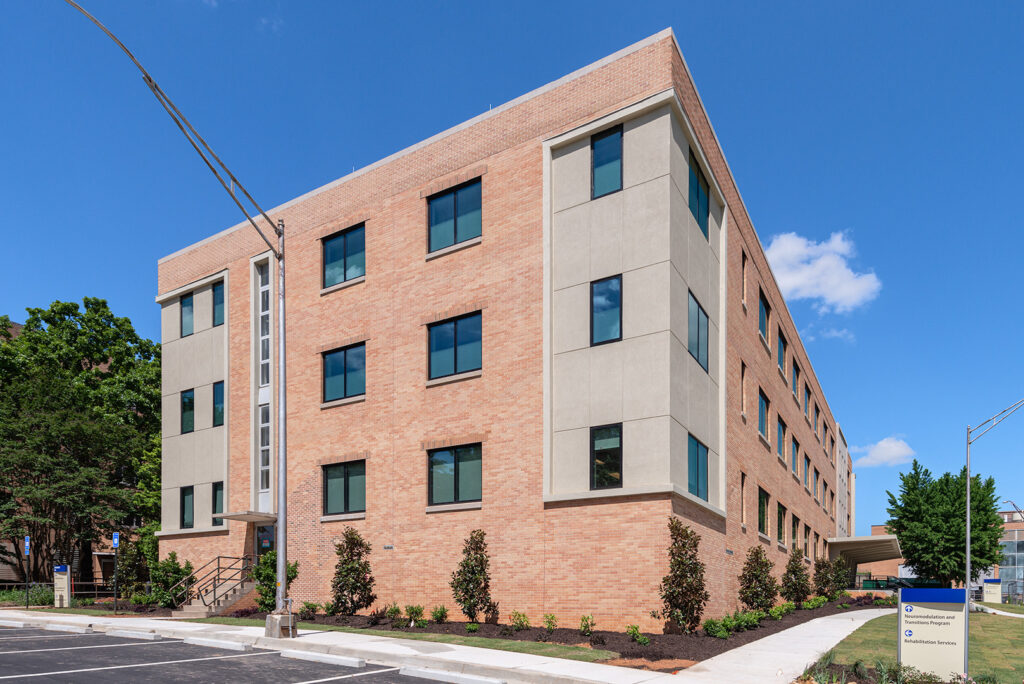
- A 1968 building with structural and mechanical limitations, requiring full replacement of outdated systems and creative strategies to preserve functionality.
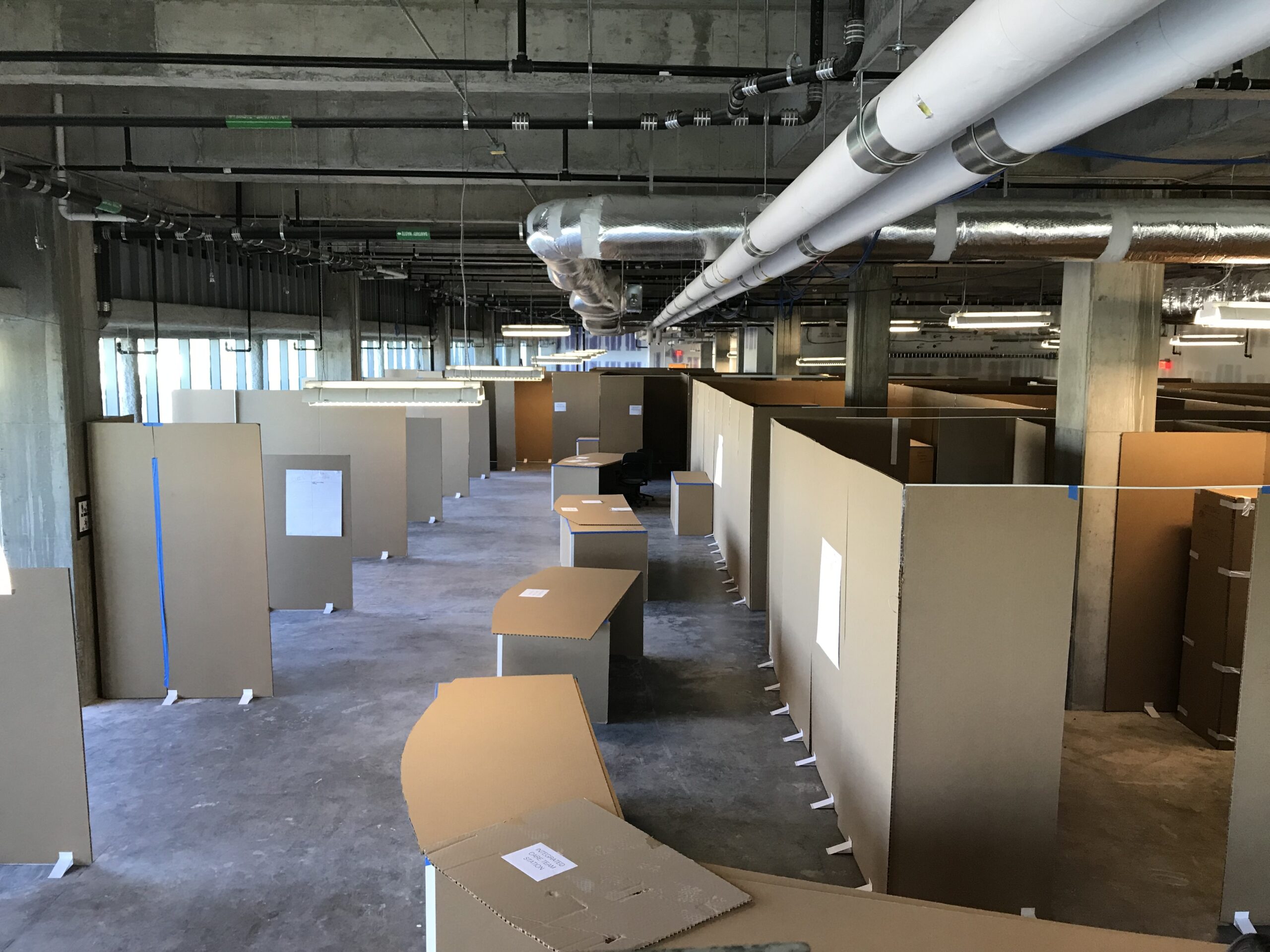
- Phased construction in an active hospital, demanding rigorous coordination to maintain safe environments for both patients and staff.
- A specialized patient population with heightened safety risks, including ligature, elopement, and noise concerns. Each element requiring carefully integrated design and operational solutions.
These challenges underscored a central truth: behavioral health environments demand a different design mindset. It is not enough to simply retrofit hospital models. We must create environments uniquely tailored to the realities of behavioral health.
A National Imperative
What happened at Emory Decatur Hospital is not a one-off case study. It is a blueprint for how healthcare systems nationwide can respond to the mental health crisis.
Repurposing existing infrastructure is a timely and sustainable path forward. It allows health systems to accelerate capacity, reduce waste, and deliver care where it is needed most. More importantly, it allows us to reimagine behavioral health spaces not as clinical stopgaps, but as healing environments designed to empower patients and caregivers alike
Designing for Dignity, Flexibility, and Growth
The redesigned Emory Decatur program stands as proof that behavioral health care can be both patient-centered and future-ready. Updated patient rooms, therapeutic group areas, safe staff environments, and integrated outpatient services redefine what behavioral health facilities can achieve.
This is about transforming lives, reducing strain on emergency departments, and creating a continuum of care that adapts to a rapidly changing landscape.
The Future of Behavioral Health Design
Behavioral health cannot wait for incremental change. Healthcare leaders have a choice: continue patching together fragmented services or reimagine behavioral health access in a way that is sustainable and transformative.
May Architecture is proud to stand at the forefront of this movement. Together with visionary health systems and partners, we are setting new benchmarks for how the built environment can empower patients, support caregivers, and strengthen communities nationwide.
Designing for behavioral health is not about crisis response, it is about shaping a new standard of care for generations to come.